Whistlers, with a S
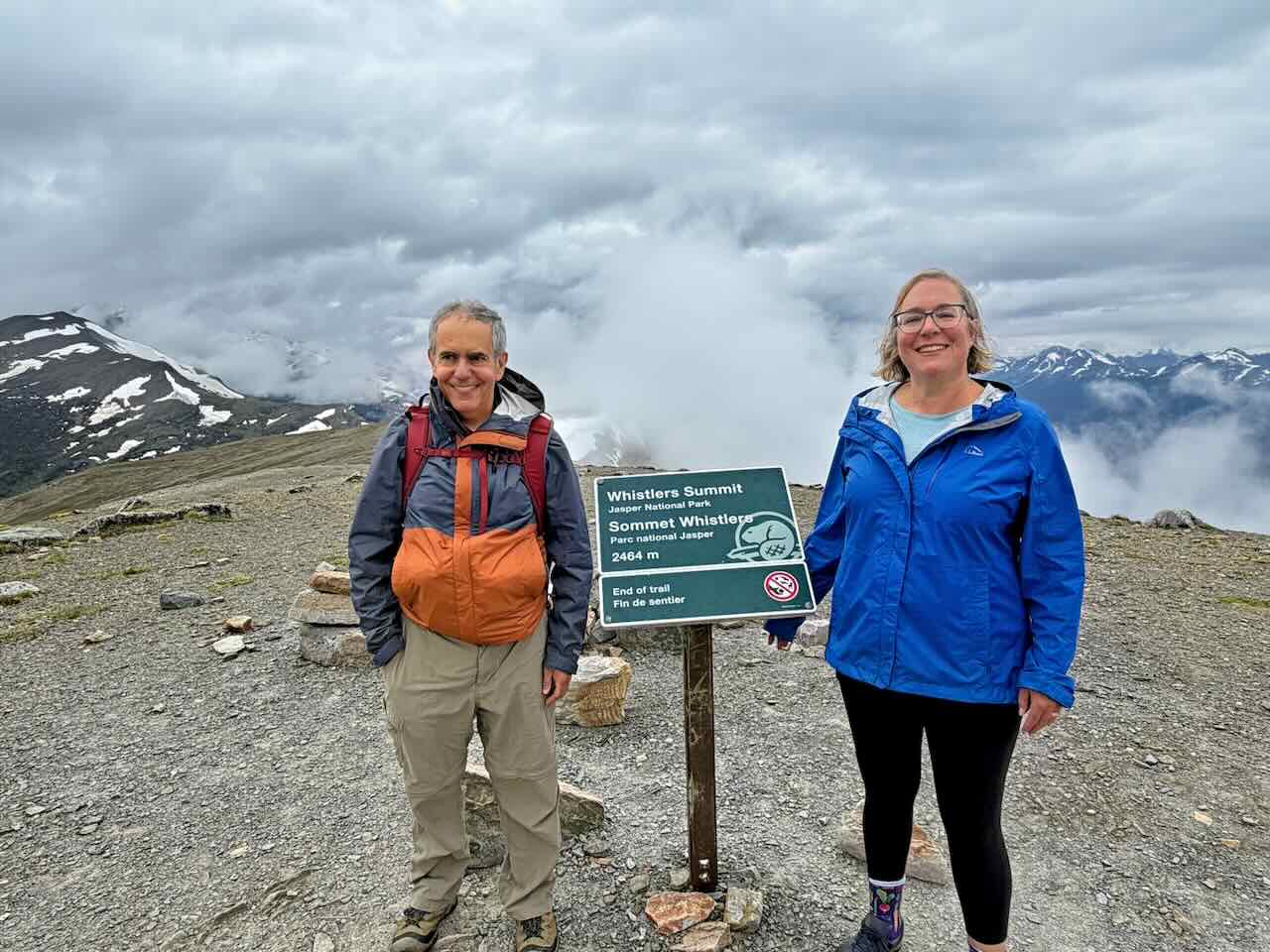
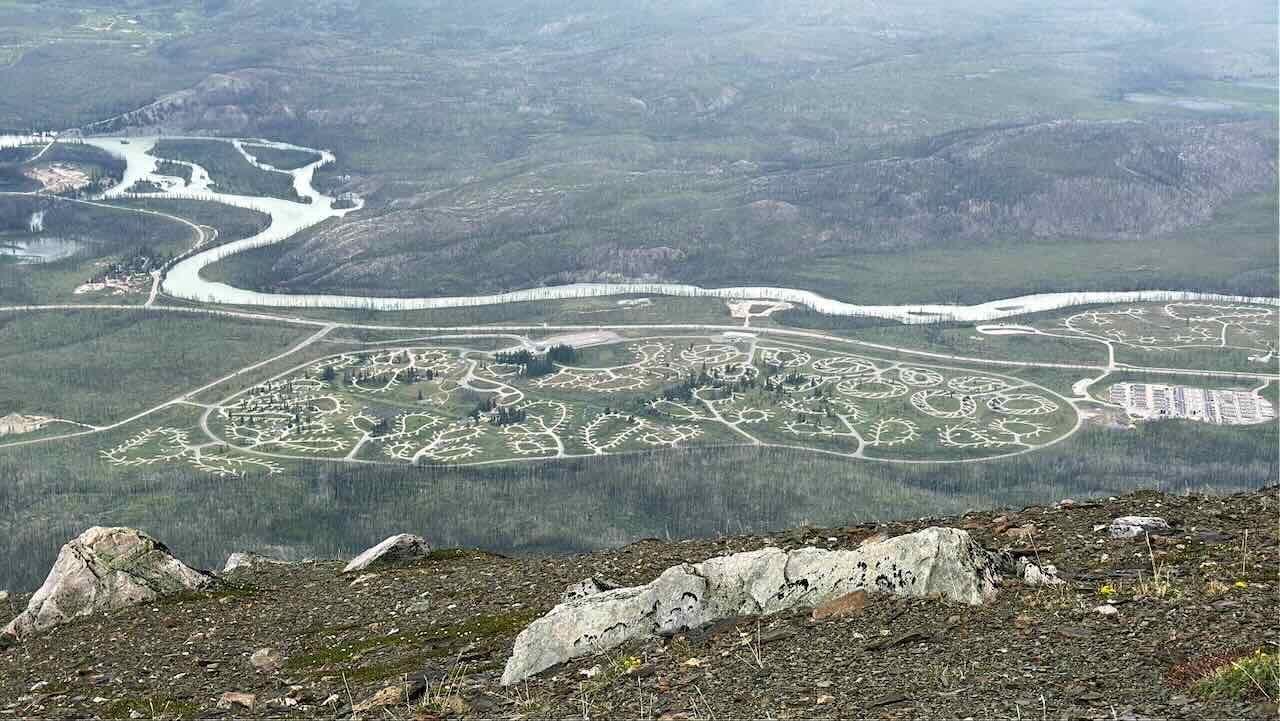
We started the day by taking the Jasper Skytram to above the tree line on Whistlers Mountain. Not Whistler like the ski resort in British Columbia. Not Whistler’s Mother like the painting. The peak is named for the sound that marmots make when they feel threatened. The mountain is actually pretty close to our campground - we could see the campground from the top. In fact, our campground is named Whistlers Campground since it lies at the foot of the mountain.
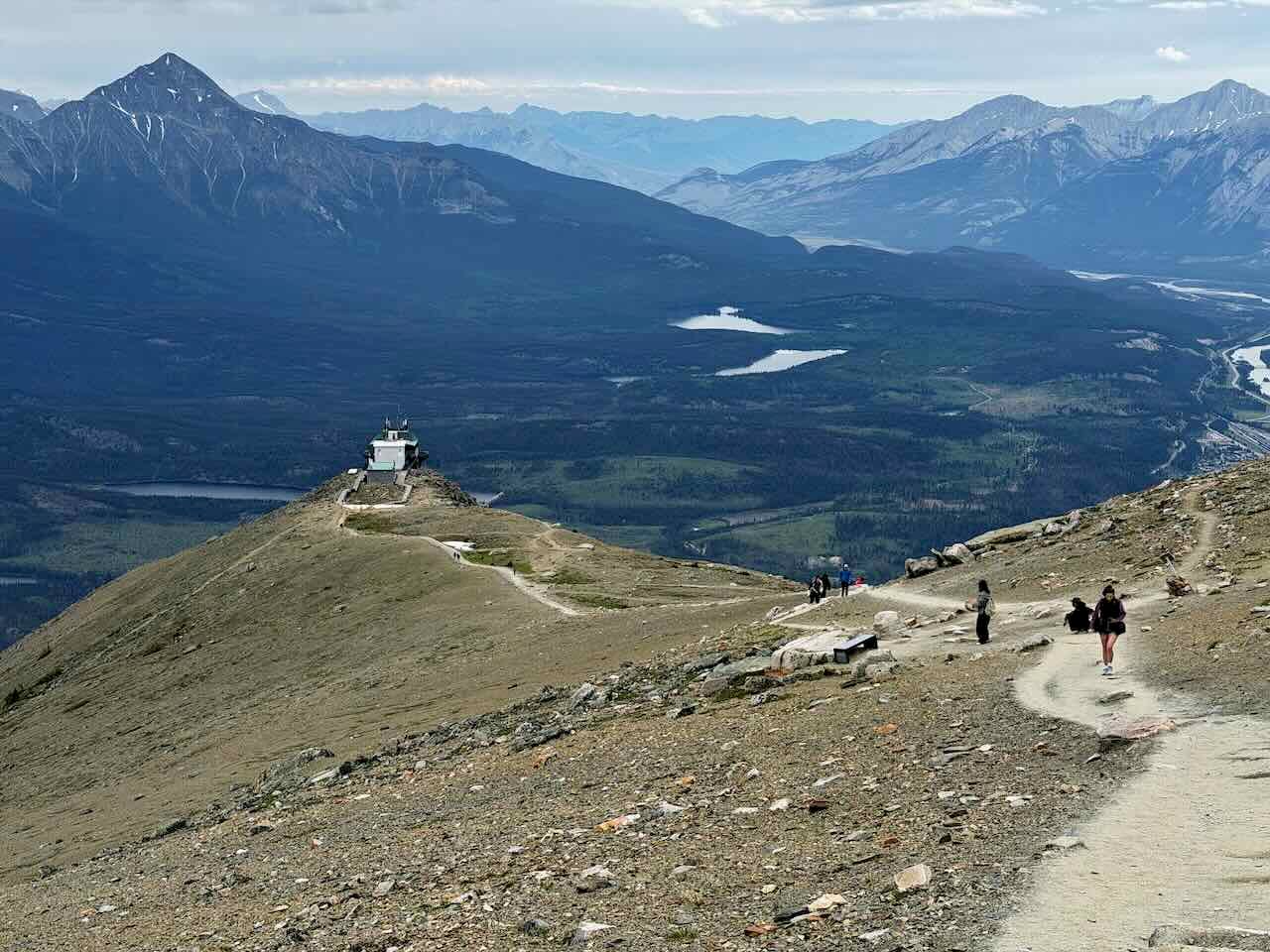
The tram didn’t take us to the peak. Our legs had to take us from the tram station to the peak. We hiked the Whistlers Summit Trail for 2.4 miles (3.8 k) and almost 1000 feet (300 m) of elevation gain. There were two paths: the steep path and the not quite as steep path. We took the steep path up, but the longer, less steep route down.
There was one section with snow and another with loose rocks. There was no ice, so we didn't need our microspikes.
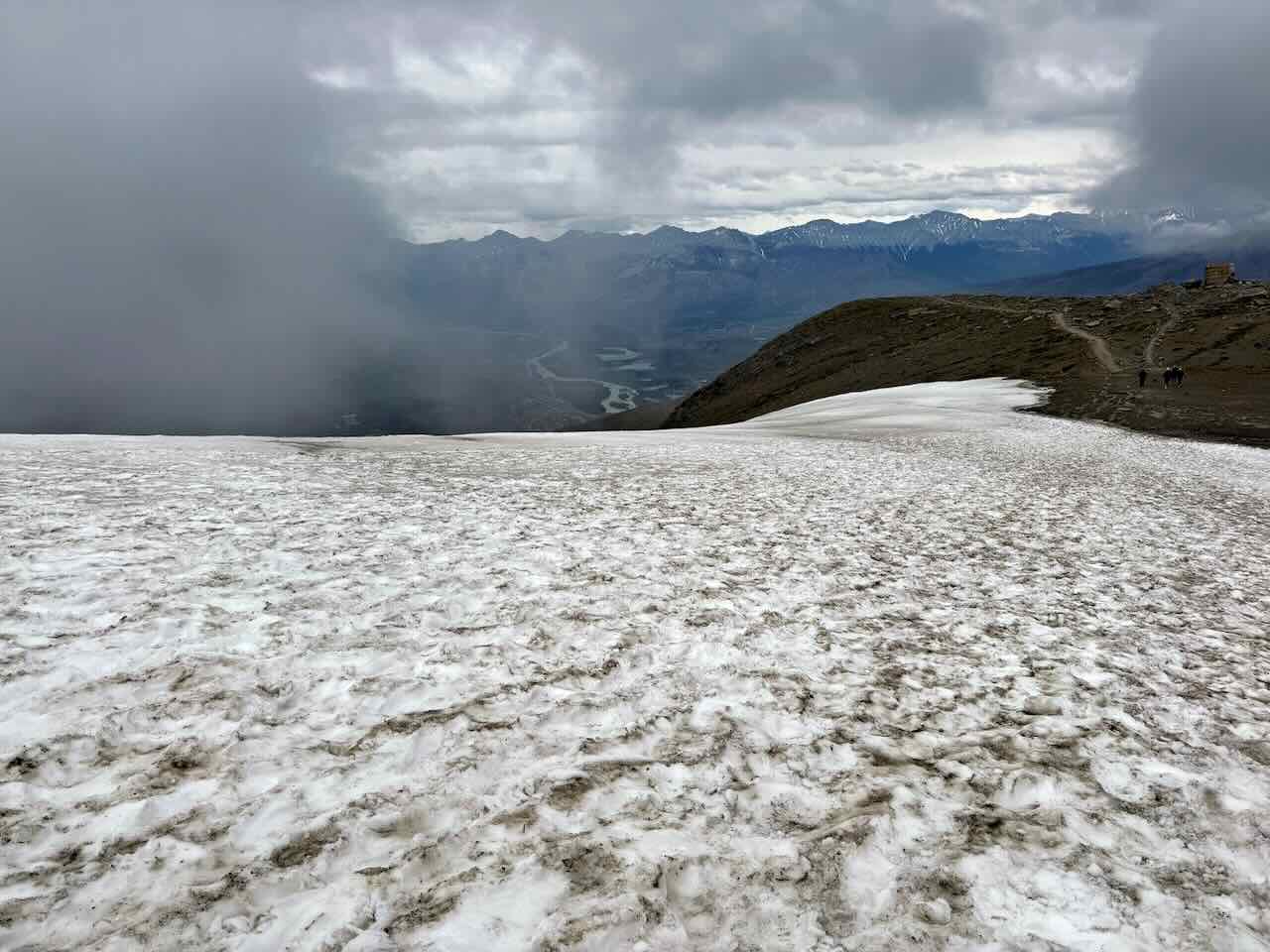
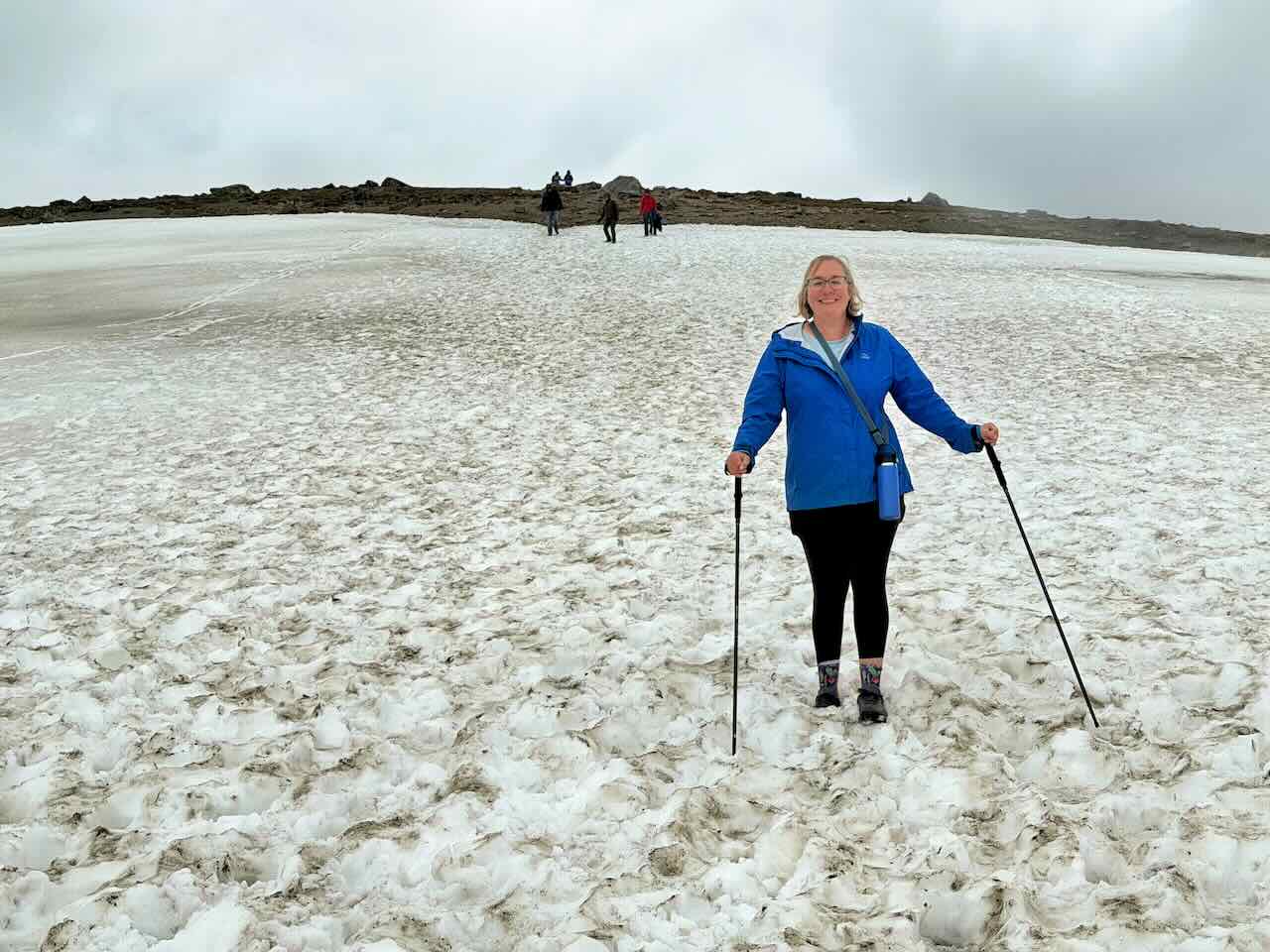
Snow on the mountain
The rest of the hike was just lots of climbing. First we went to the peak. We took pictures - to prove we made it! On the way back we detoured to the false peak. The map showed they had the Canadian parks red chairs, but the map lied! Another hiker joked that someone had stolen the chairs and dragged them down the mountain.
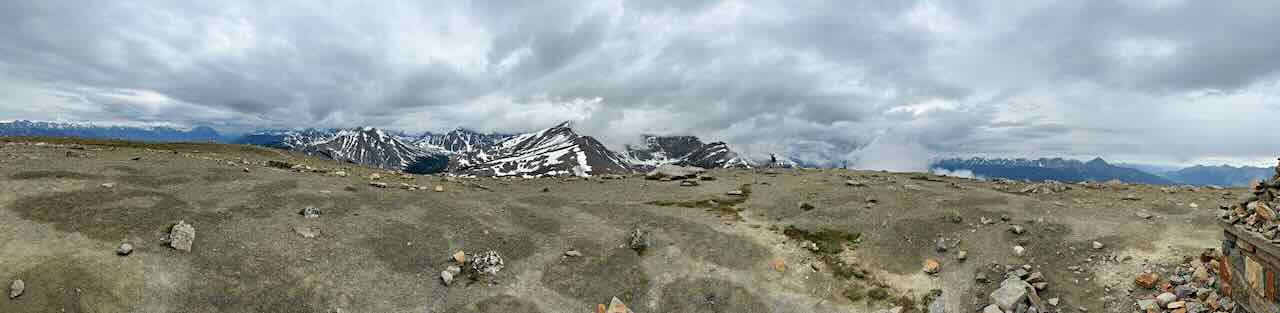
As we started to descend, the clouds covered the view. We knew there was supposed to be rain in the afternoon, which is why we went up in the morning. Towards the end of our hike the rain started - two hours earlier than we expected.
After our hike, we decided to take a drive around Jasper NP. We headed towards Maligne Canyon, one of the must do sites in the park. Unfortunately the canyon road is closed indefinitely due to massive fire damage. We stopped at the canyon overlook but all we could see were dead trees from the fire. The road continued through the damaged forest. The trees here only grow inches every year due to the cold and short growing season. So this forest probably may not recover in our lifetimes. We have heard a lot about how forest mismanagement of the past 100 years has caused serious problems for the forests, and here was a clear example of such damage. The prevailing theory used to be to stop all forest fires regardless of how they started. The forest services have learned that smaller fires get rid of dead brush, which reduces fuel for future fires. Without these smaller fires, the extra fuel causes fires to grow faster and hotter, like we have all heard in the news.
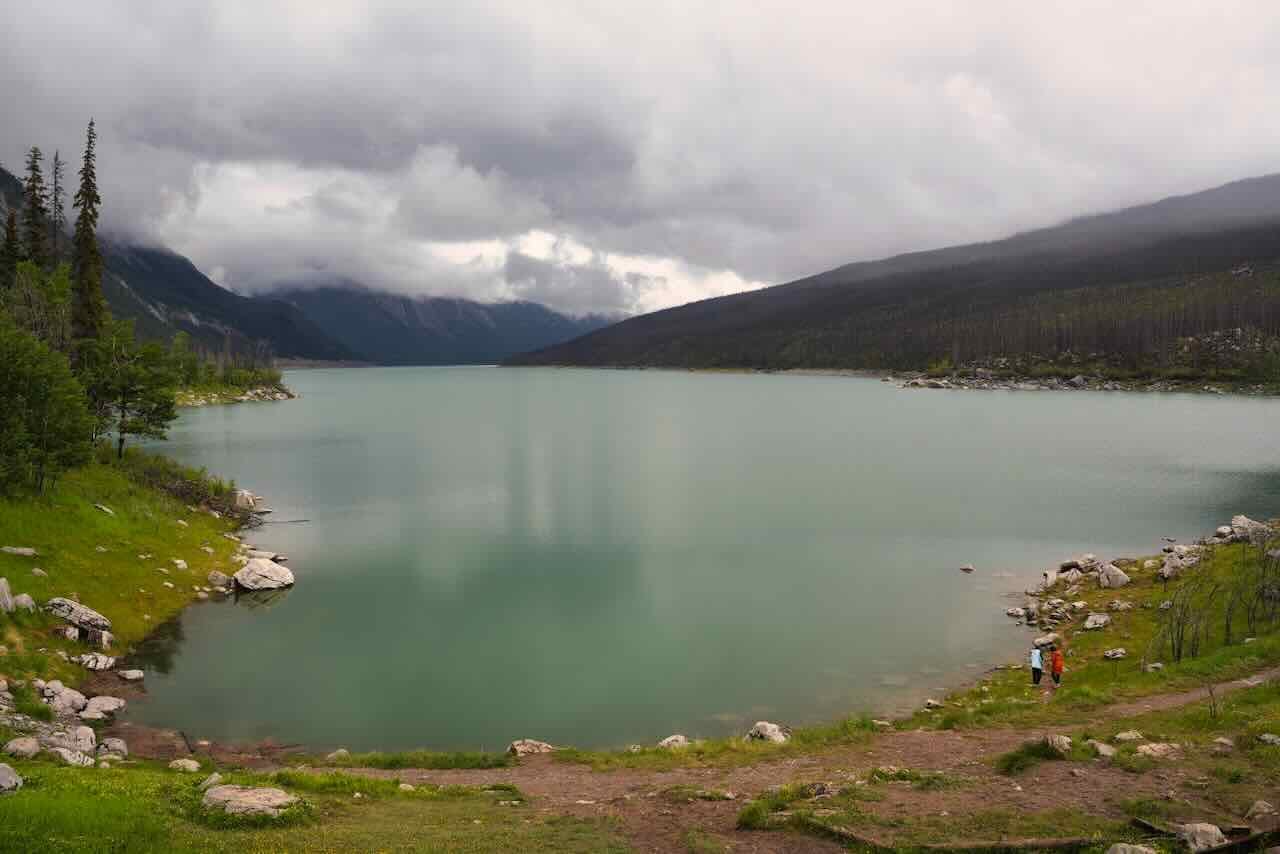
Since we couldn’t visit the canyon, we continued past Medicine Lake. Medicine Lake is huge, but it disappears every winter! Scientists figured out that there are sink holes that are constantly draining the water out of the lake. During the summer the inflow from snow melt is greater than what is being lost. Over the winter the draining water is not being replaced. The water appears in the Malgine Canyon and two other lakes in the area.
Right near the lake we followed a goat on the road! It clearly has seen cars before because it just kept trotting along the road, causing a traffic jam. Just like the Buffalo in Yellowstone.
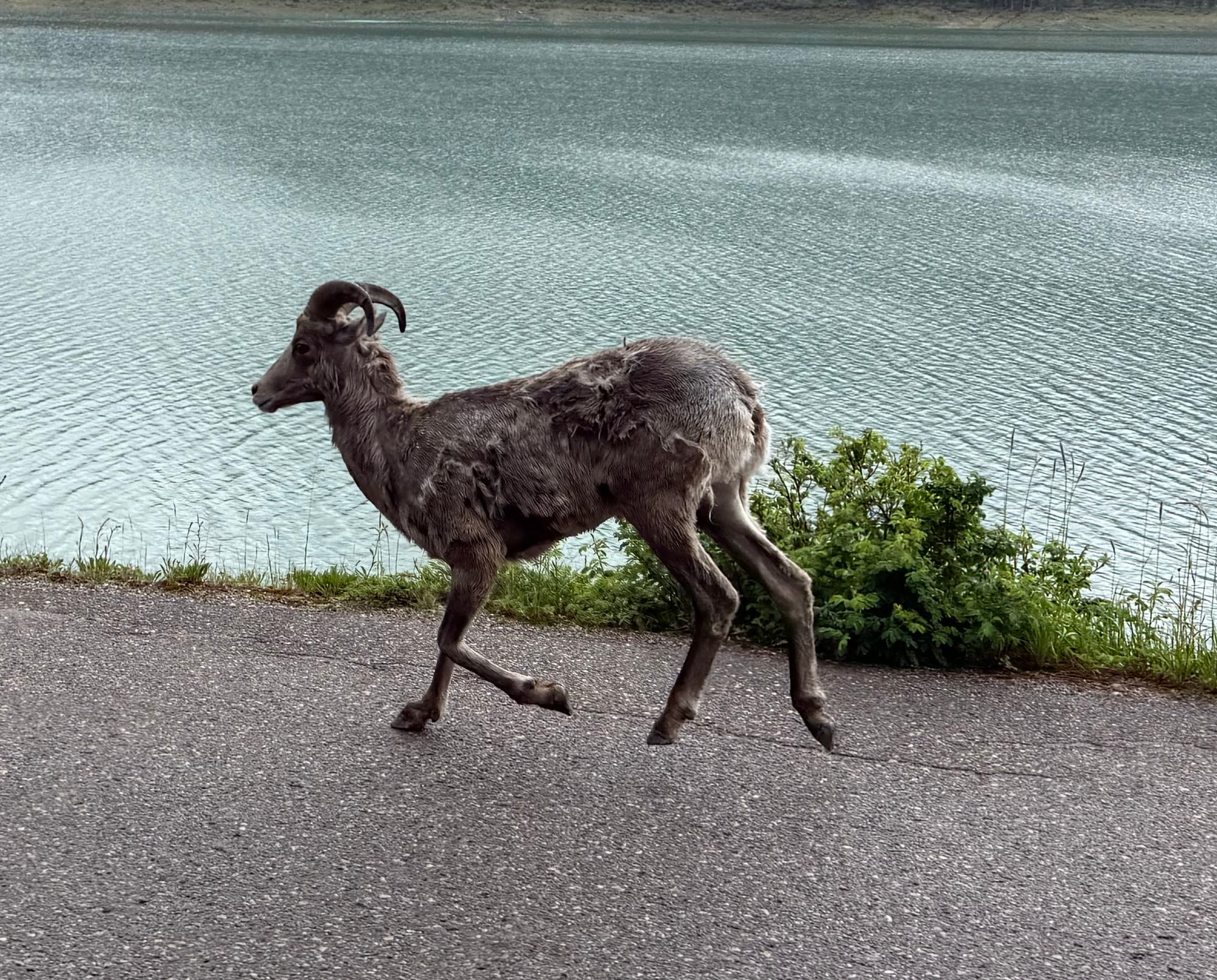
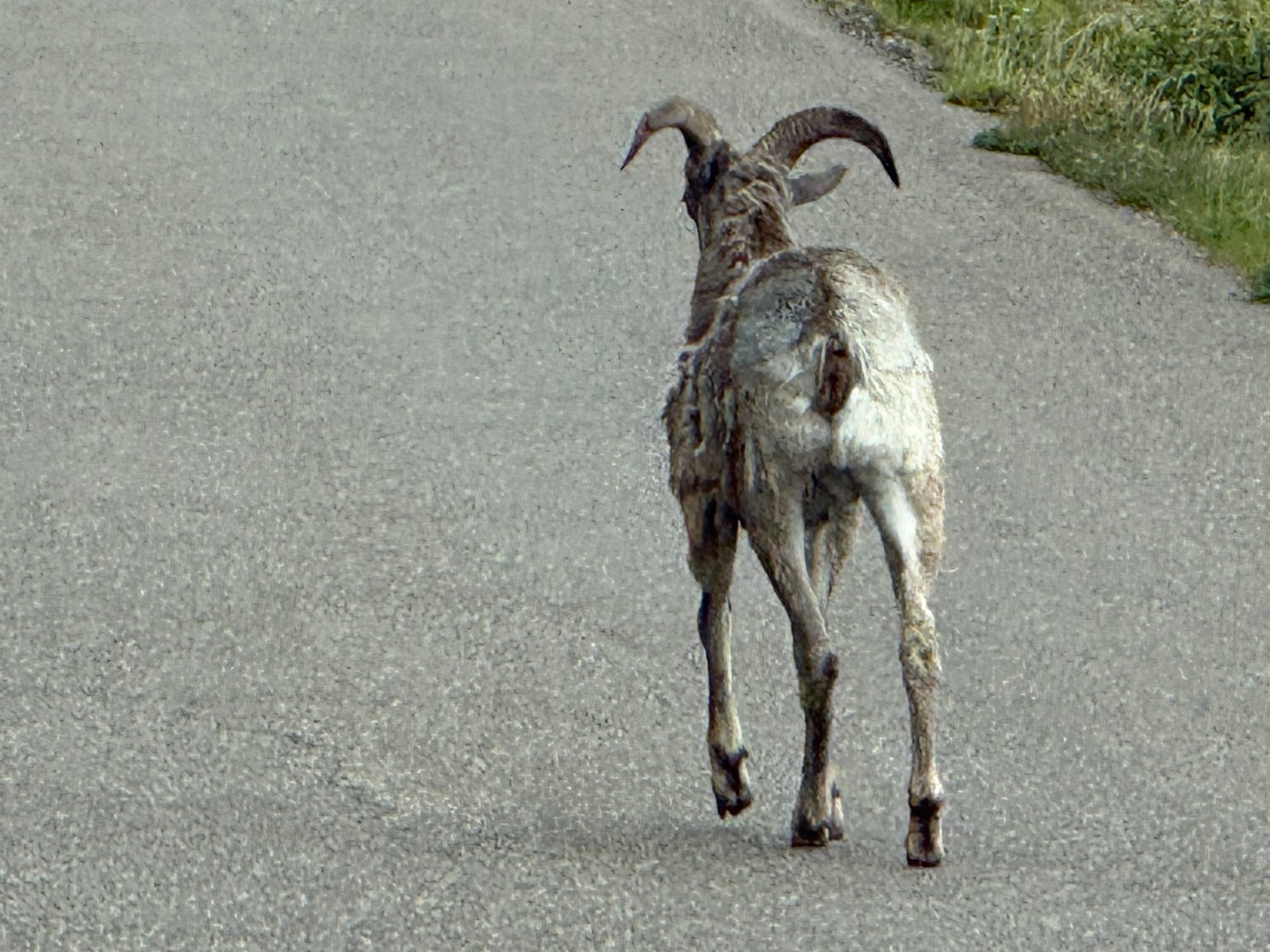
The goat on the road
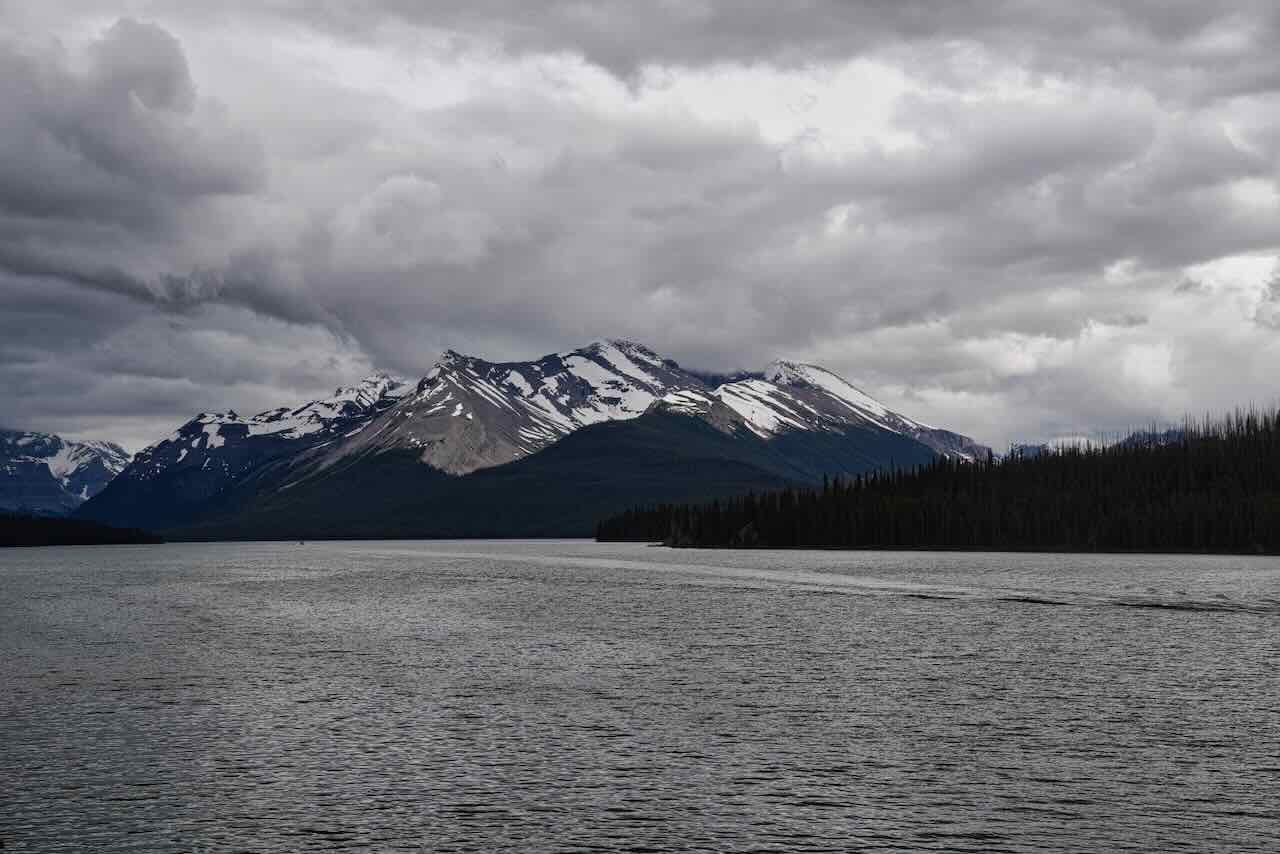
We continued on to Maligne Lake, at the end of the road. This looked like a nice place to kayak if the weather was better. Instead we took a nature walk near the lake. There were lots of warnings about moose in the area. We didn’t see any on our walk.
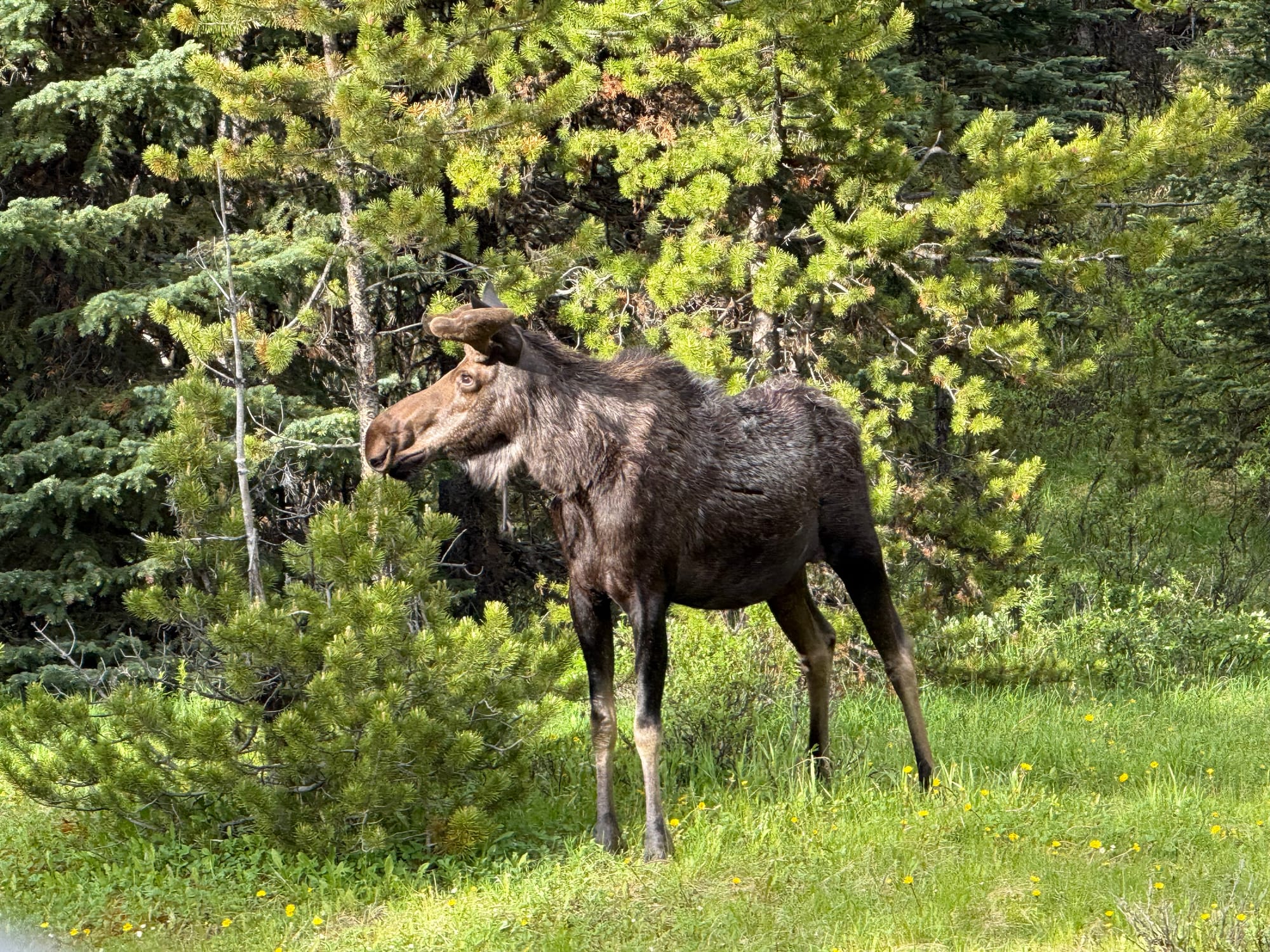
Instead, we saw a moose soon after we started to drive back. We used our tried and true method for spotting wildlife on the drive: we looked for other cars on the side of the road. In fact, on the drive back, we saw our best wildlife on the trip so far. We saw the moose, a deer, a couple of male elk and a black bear cub! No sign of the mama bear, but we didn’t want to be anywhere near a protective mama bear.
Bear Count
Today: 1 black bear cub
Total: 3 bears